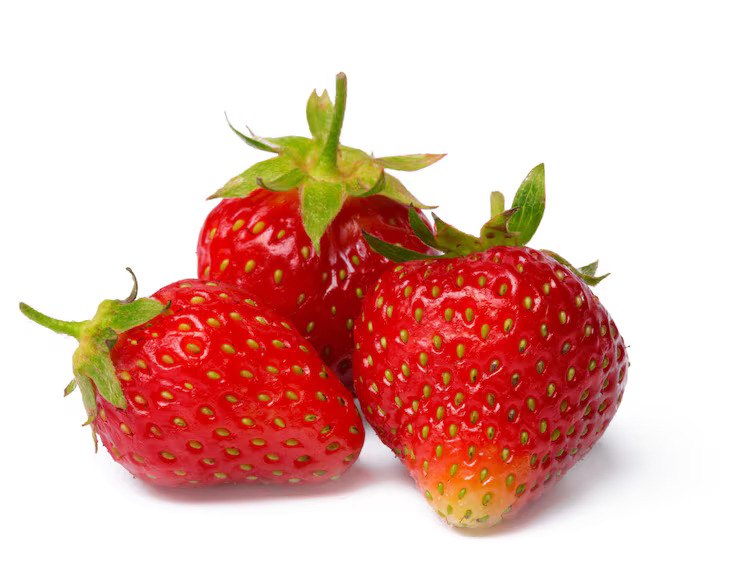
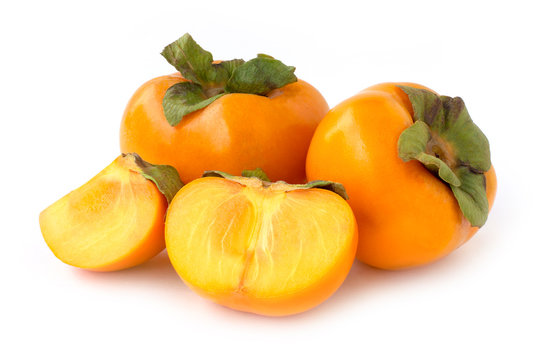
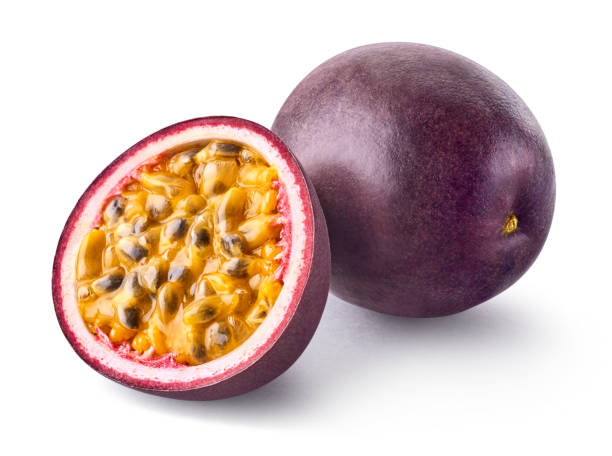
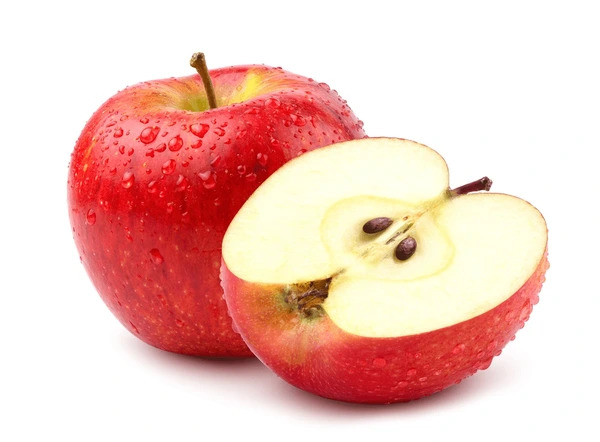
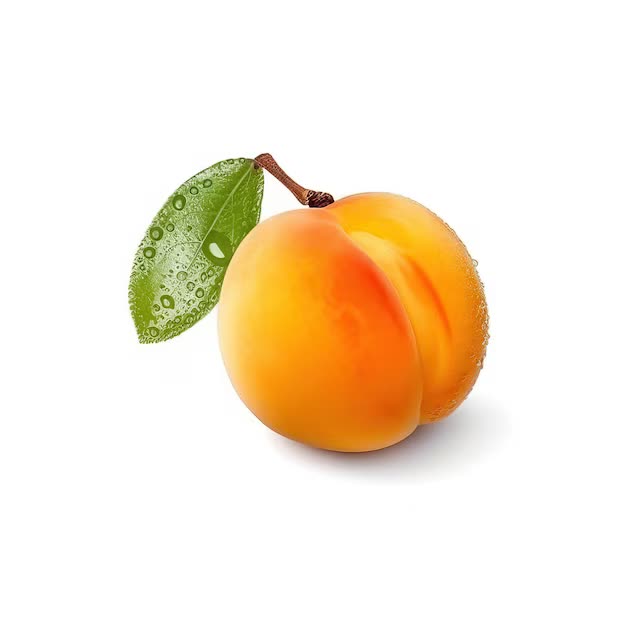
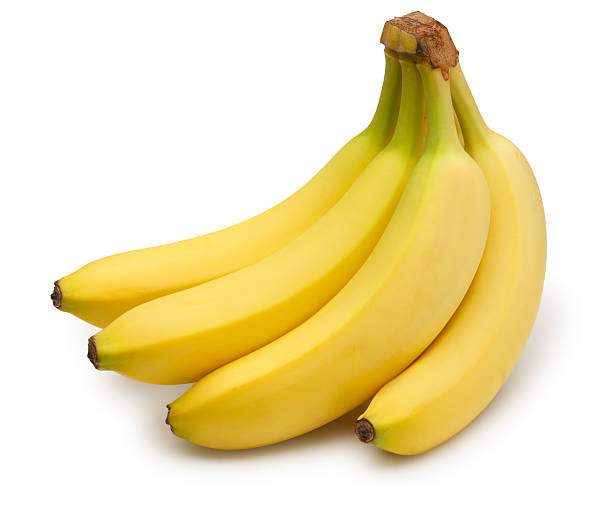
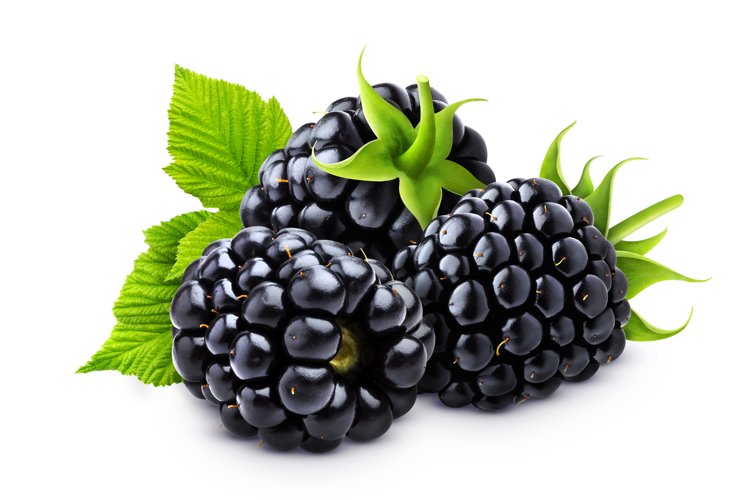
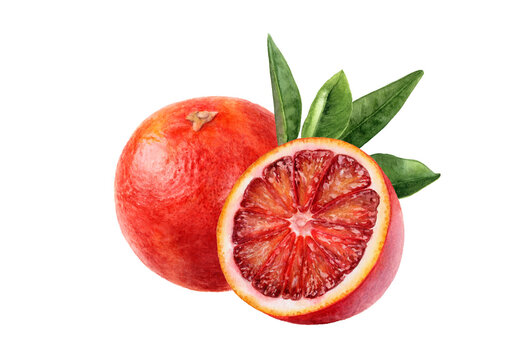
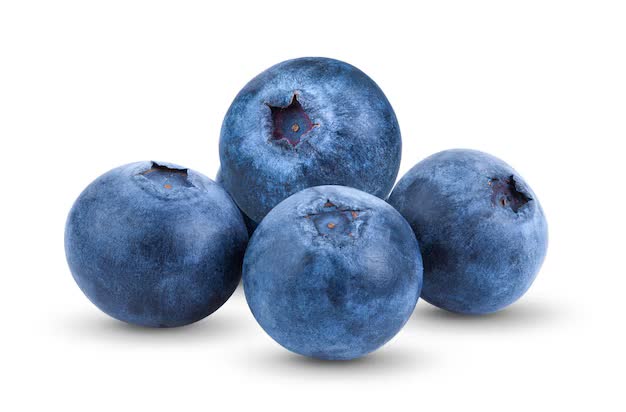
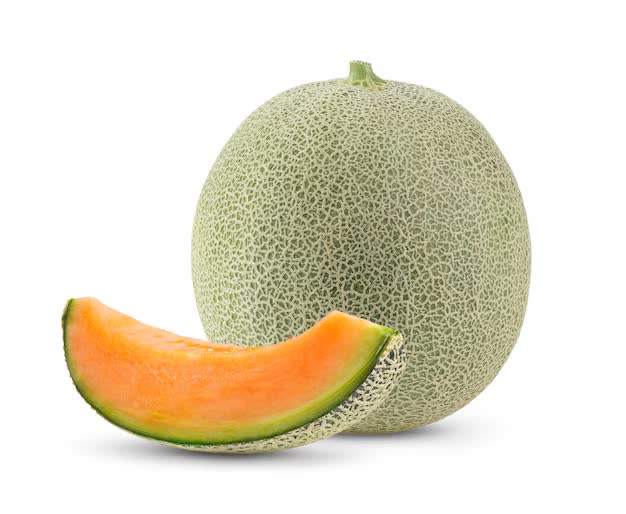
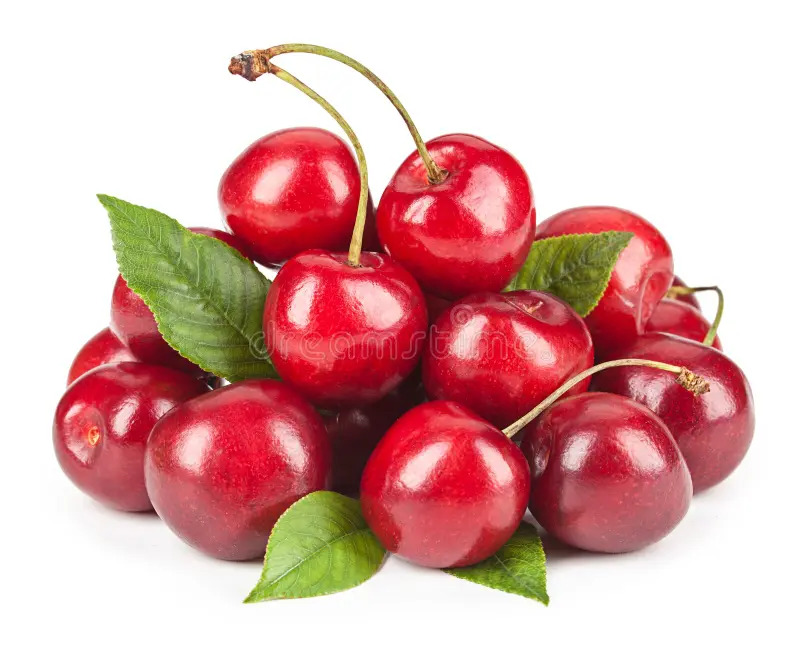
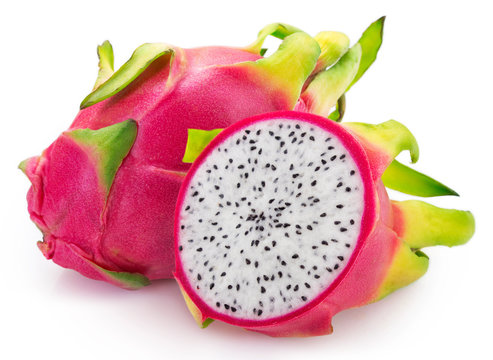
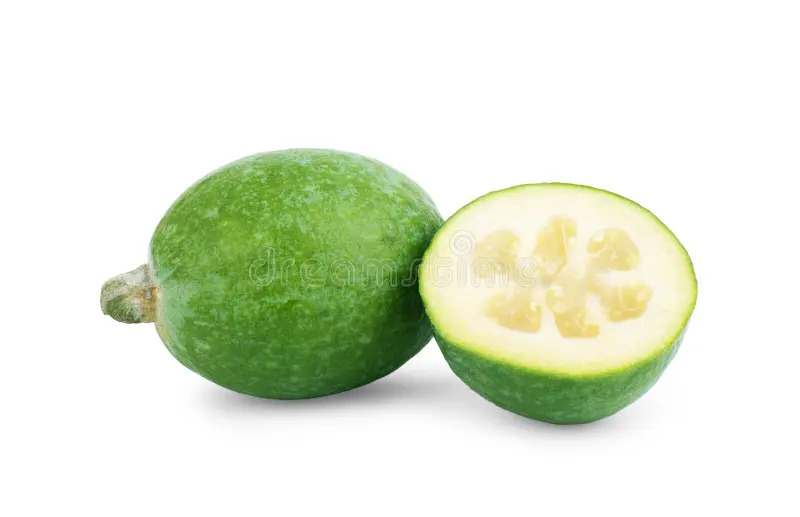
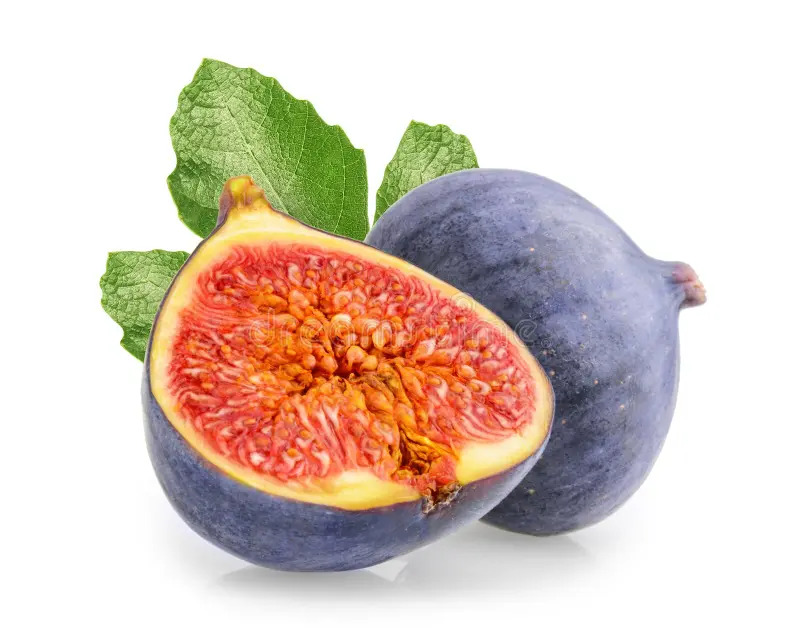
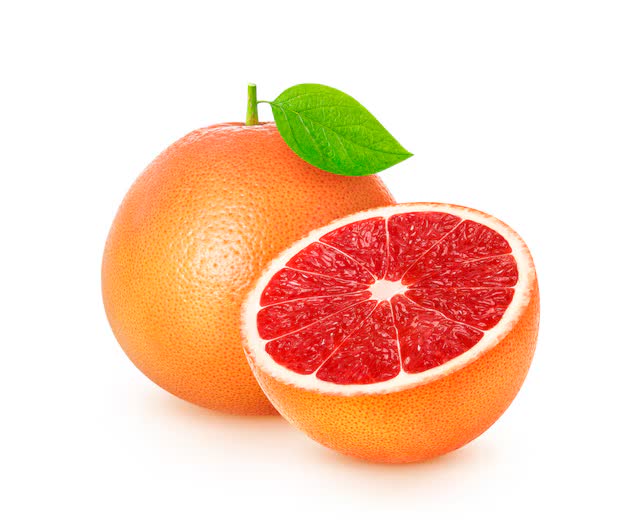
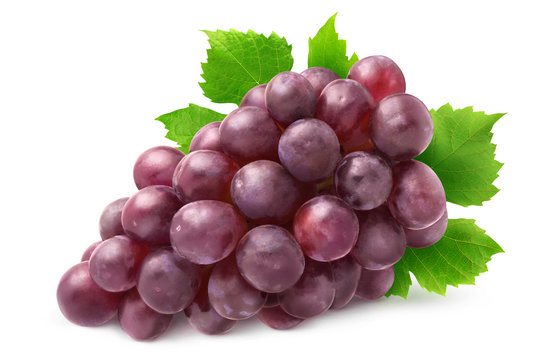
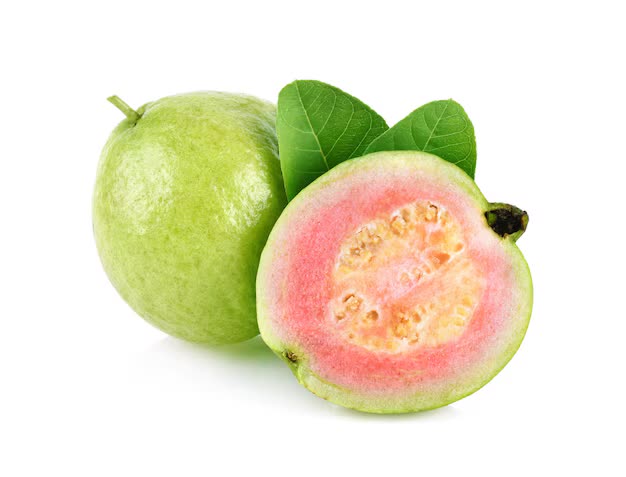
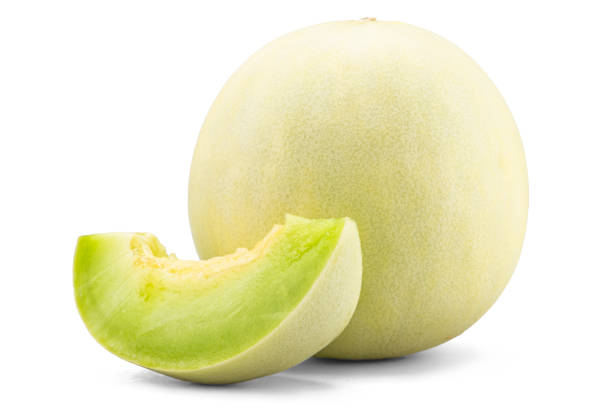
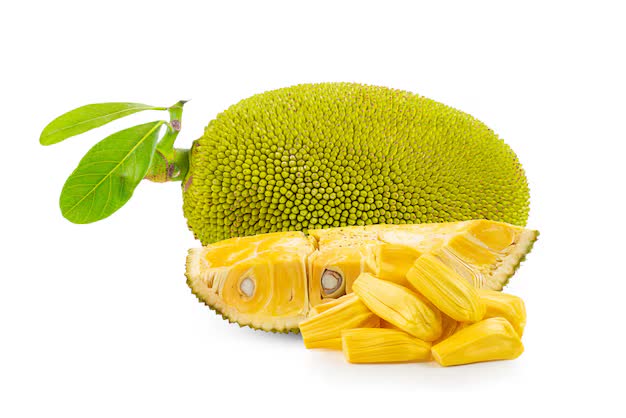
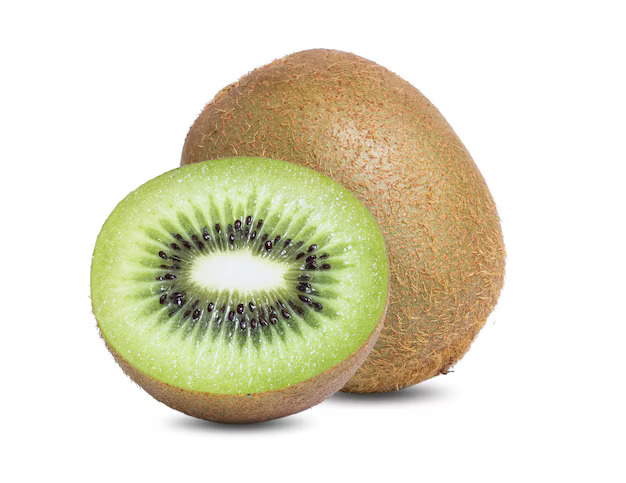
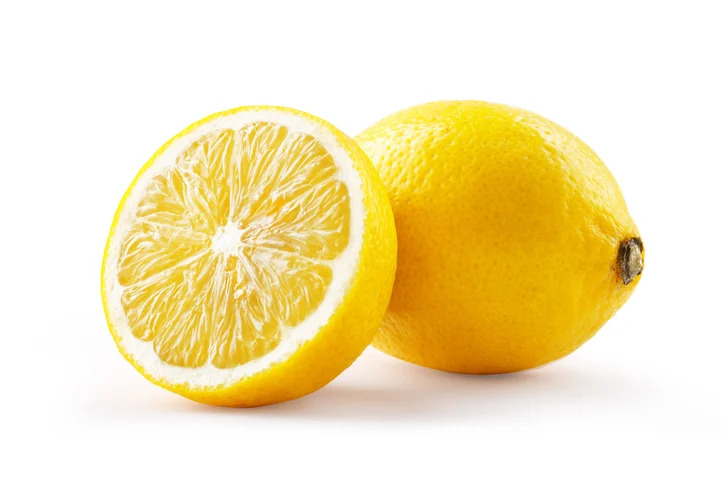
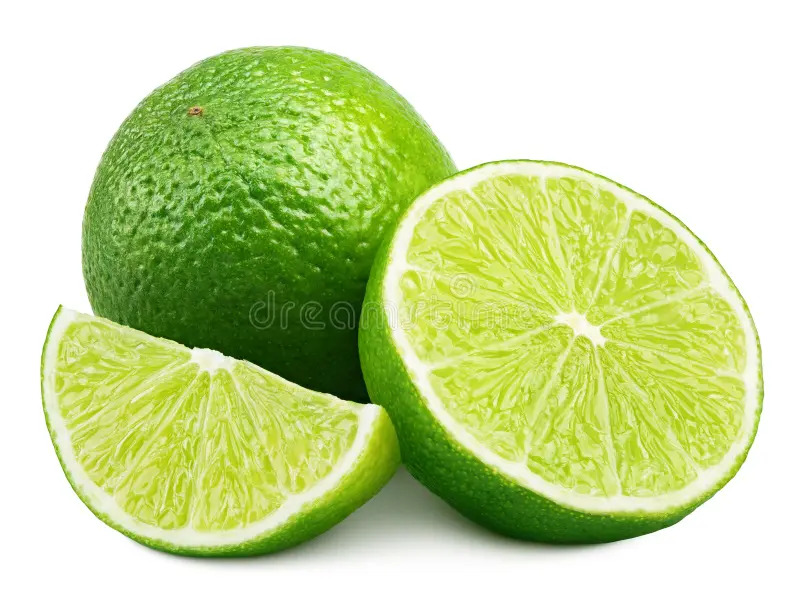
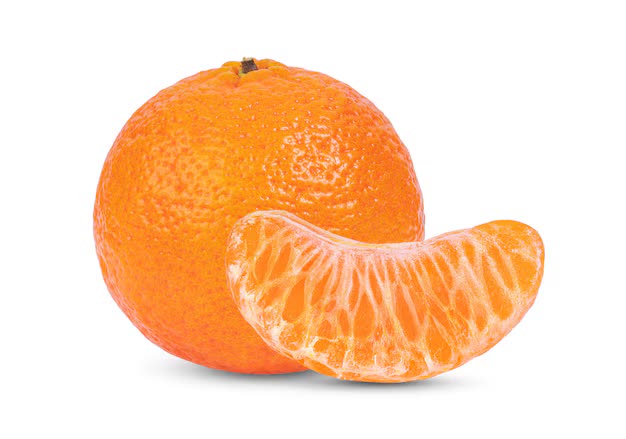
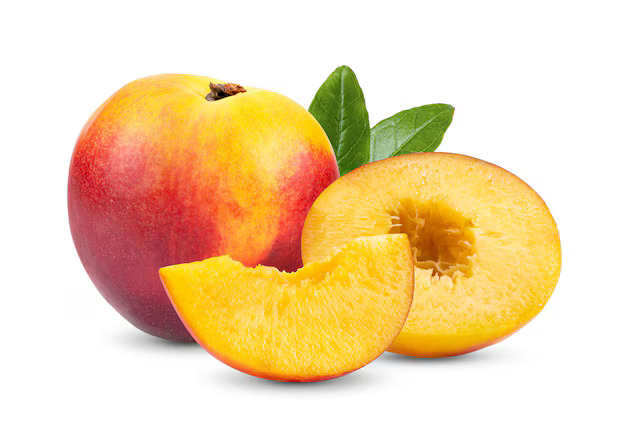
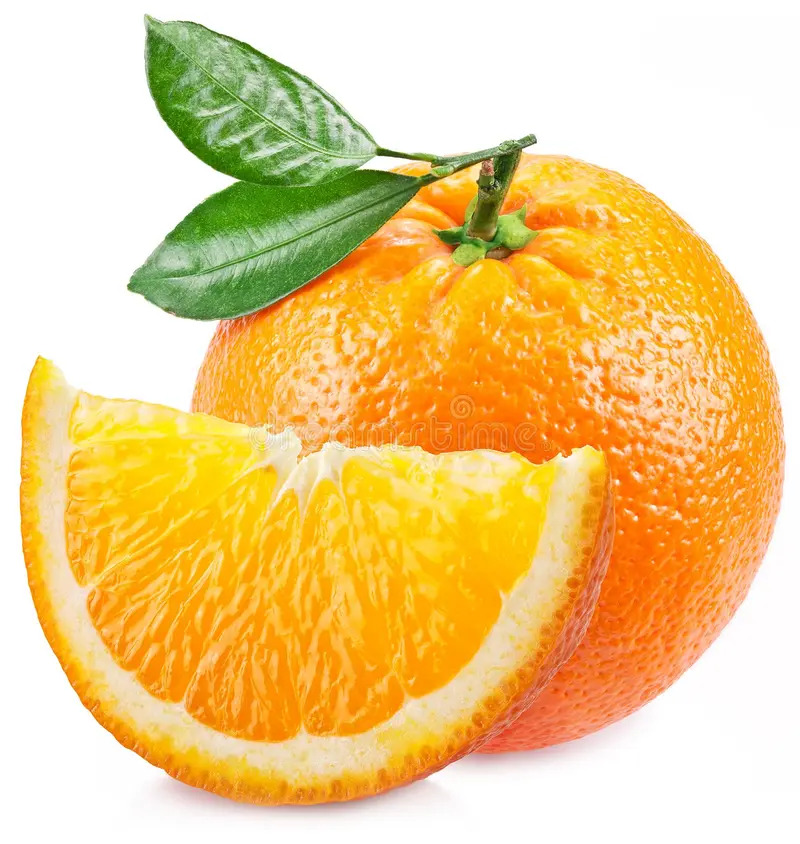
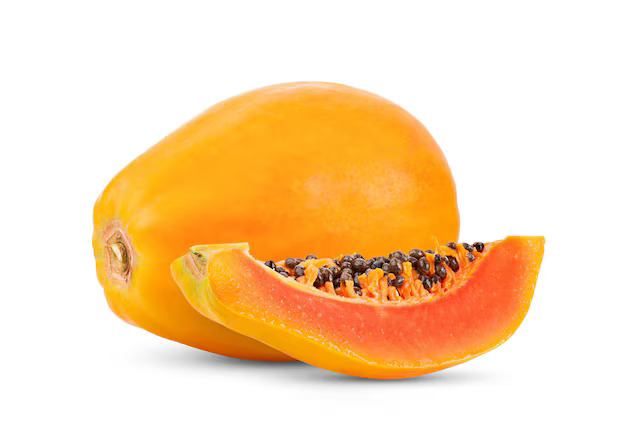
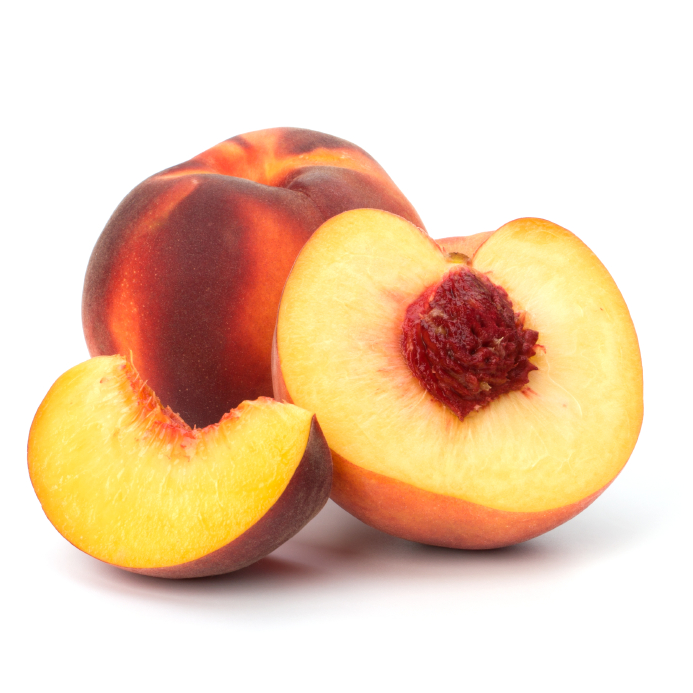
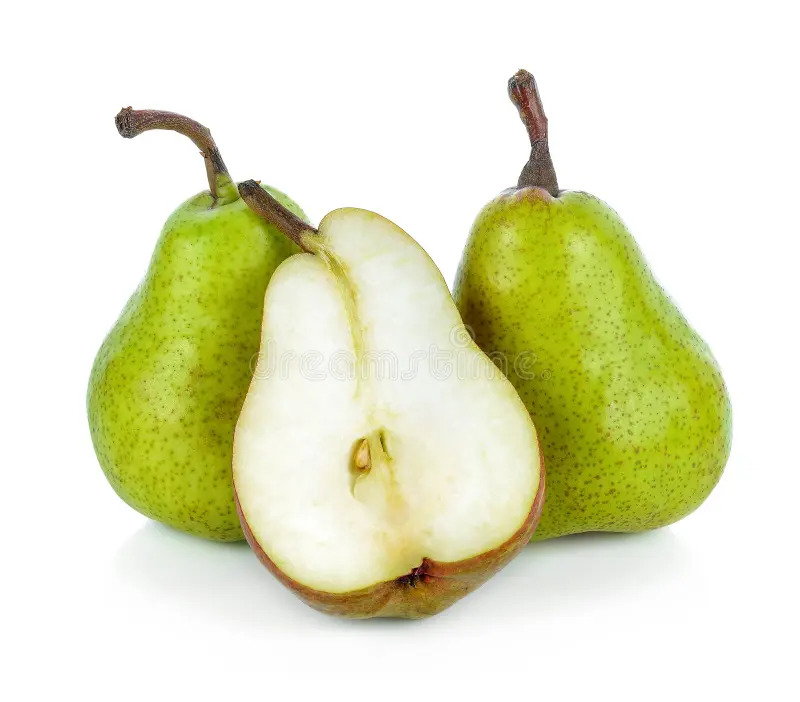
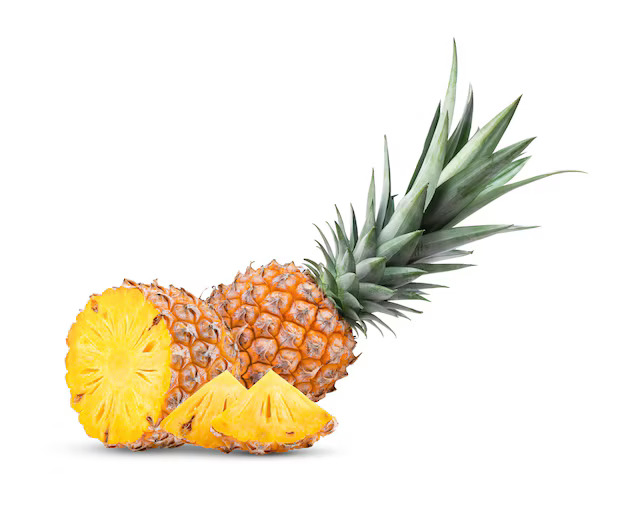
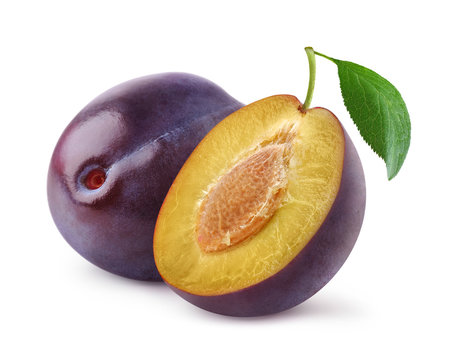
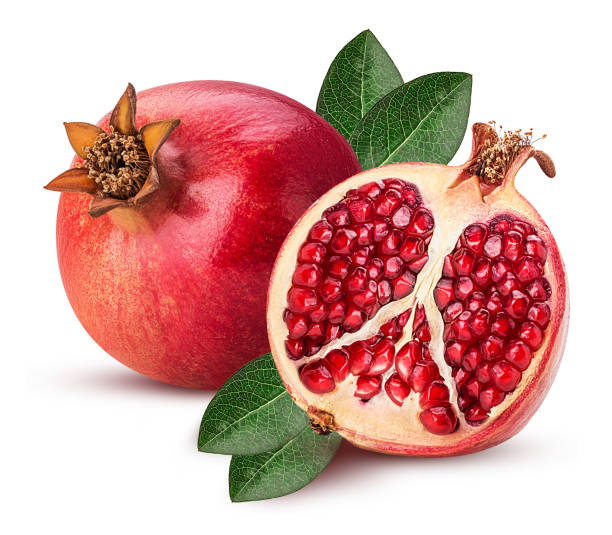
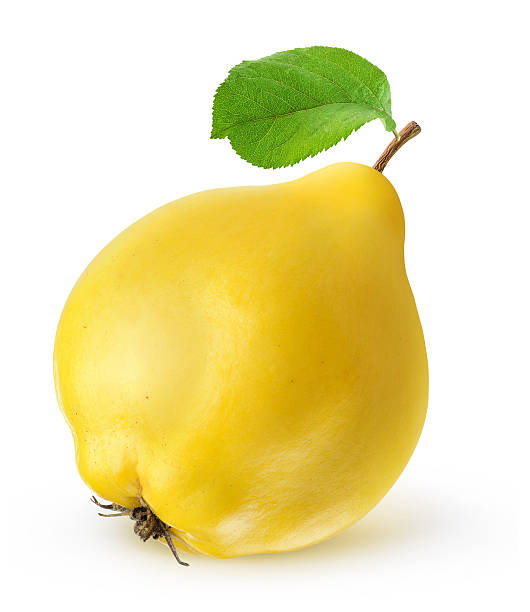
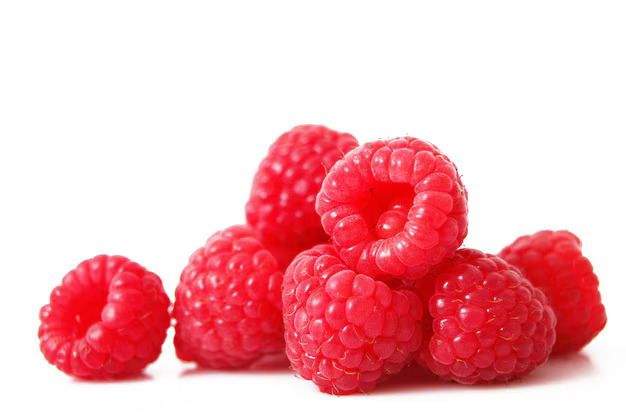
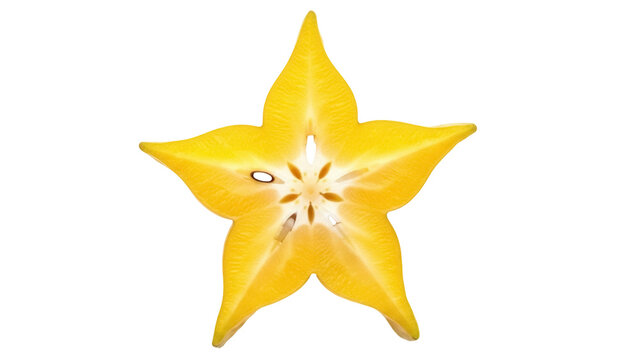
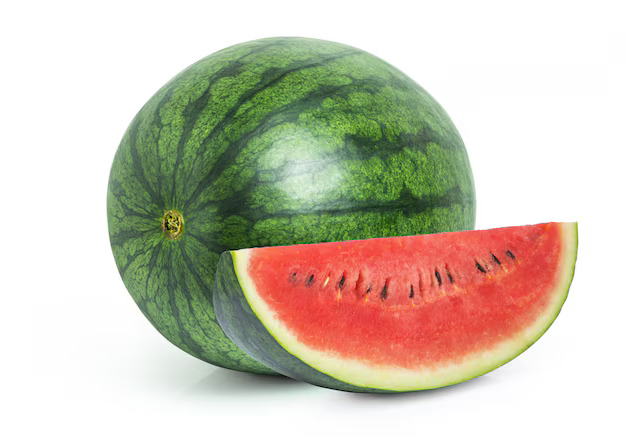
Two fruits, side by side. Just pick the fruit you would rather eat. Every choice builds the global ranking.
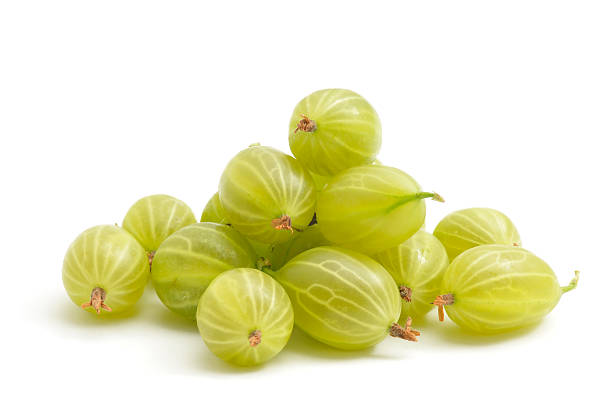
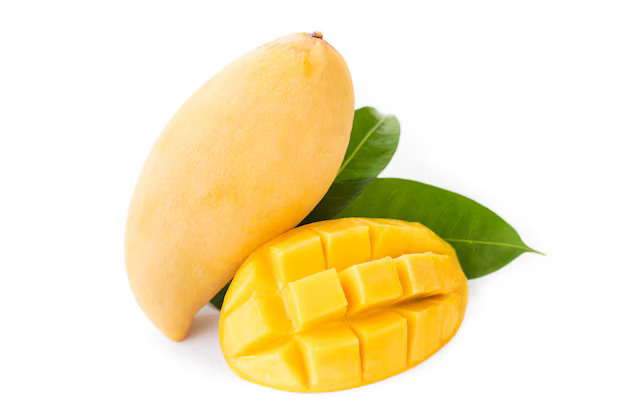
Two fruits, one choice
Each round shows two fruits side by side. Pick the one you'd rather eat — no context, just instinct.
Fifteen rounds per session
A session runs ten matchups back to back. The whole thing takes about a minute.
Rankings emerge from choices
Every pick across every player feeds into the ranking. The more people play, the more accurate it gets.
Why does this exist?
While this may seem like an easy question, there obviously isn’t a correct answer. You could use quantitative information such as price, availability, and nutritional values, but in the end, we decided it should be about taste. The idea is simple: I put two fruits in front of you, and the one you would rather eat wins—that’s it. Feed that data into some ranking algorithm, let enough people participate, and you’ll end up with the most popular fruit, at least among the subset of people who played.
The comparisons feed a Glicko-2 rating system. Glicko-2 is an algorithm commonly used in chess, which produces a ranking from nothing but binary choices.
Privacy & integrity
An open anonymous vote would be trivially gamed. The compromise is email-based identity, it raises the cost of manipulation without requiring invasive verification.
Email addresses are never stored in plain text. The system stores an HMAC-SHA256 hash of each address. This is enough to detect duplicates, not enough to recover the original.
When a magic link is sent, the email exists briefly in transit. It is not persisted beyond that.